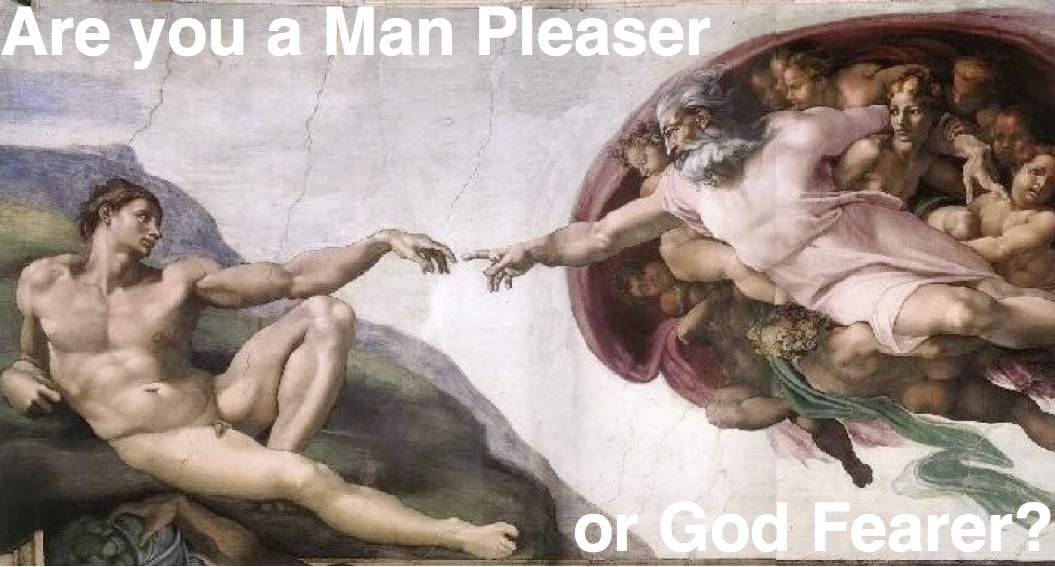
X-Ray Questions: Whose opinion of you counts?

This week we continue our X-Ray Questions series, as we look at the question: Whose opinion of you counts? You can read the other posts in this series by clicking here.

X-Ray Question:

(13) Whose opinion of you counts?

From whom do you desire approval and fear rejection? Whose value system do you measure yourself against? In whose eyes are you living? Whose love and approval do you need?

Understand

When you lose God, you enter a jungle of distortion. You tend to live before your own eyes or before the eyes of others – or both. When you lose or take God out of the equation, what is left is to seek the approval of man, which will ultimately leave you wanting.

Even for us who have not removed God completely from the picture, the approval of man has a strong pull on our lives, often causing us to seek it, rather than God’s approval. Since man’s approval has such a strong pull on our lives, we must fight the desire within to seek man’s approval, finding our approval in the Lord alone.

If we do not fight, we will compromise our convictions, not speaking up when we know Scripture speaks against a certain issue. When we remain silent on issues because we fear we will lose the respect of men, we are like the authorities who did not stand up to the Pharisees. John says,

Nevertheless, many even of the authorities believed in him, but for fear of the Pharisees they did not confess it, so that they would not be put out of the synagogue; for they loved the glory that comes from man more than the glory that comes from God. (John 12:42-43 ESV)

May we make it a point to seek the glory that comes from God more than the glory that comes from man.

Social Idols

The “social idols” which encompass approval and fear can take numerous forms:

  • Acceptance or Rejection
  • Being Included or Excluded
  • Praise or Criticism
  • Affection or Hostility
  • Adoration or Belittlement
  • Intimacy or Alienation
  • Being Understood or Caricatured

Awareness of these “social idols” is the first step, but we must also ask God to reveal to us where we may be seeking to please others rather than Him. In other words, we must plead with God in our prayers to reveal to us if the opinion of man is an idol that is present in our lives.

Repent

If after we pray, God reveals to us that approval is an idol in our lives, we must repent and turn from that idol. We do so by realizing true approval comes from God alone. The approval man gives us is temporary and situational. We may have man’s approval one day, but the next day they may reject us because we have not lived up to their expectations.

In contrast to the world, those who have repented of their sins and professed Jesus Christ as their Lord and Savior will never be rejected by God. As a result, they should never fear the loss of God’s approval.

Why want believers be rejected by God?

Because God accepts us based on Christ’s cross work, not our own work. When we believe in Jesus as our Lord and Savior, His righteousness is imputed to us, so that we too become righteous (2 Cor. 5:21). As those who are righteous, we are just as Jesus is even now in the world (1 John 4:17), meaning we are sons of God, just as Jesus is the Son of God. Those who are God’s children have nothing to fear. Instead they are to be confident on the Day of Judgment, knowing that God abides in them and they in God (1 John 4:15-18).

Scripture

Here are a few passages from God’s word to meditate on this week, as you consider the question: Whose opinion of you counts?: Prov. 1:7; 9:10; 29:25; John 12:43; 1 Cor. 4:3-5; 2 Cor. 10:18.

Resource

All X-Ray questions taken from David Powlison’s book Seeing with New Eyes.

Sermons To Motivate You to Spread the Gospel

Here are three messages I heard at the Together for the Gospel (T4G) Conference this last week that I would like to share with you. These messages have spurred me on to evangelize the lost, articulate the gospel, and pray about mission work. I hope they do the same for you.

Thabiti Anyabwile | Will Your Gospel Transform a Terrorist?

Albert Mohler | The Power of the Articulated Gospel

David Platt | Divine Sovereignty: The Fuel of Death-Defying Missions

Do You Have An Idol?

Lately, I have been reading J.D. Greear’s new book Gospel. If you do not have a copy, I would highly recommend it. While preparing for my latest sermon, I happened to read his section on idolatry. In that section, he gives several questions we can ask ourselves to determine what may be an idol in our lives.

Idol: Can you define that, please?

An idol is anything that we allow to take the place of God in our lives. It is those things we give the most weight to, or think are necessary for life and happiness. Ultimately, an idol is anything that stands between us and God, hindering our relationship with Him because we are giving it our love, affections, and worship instead of God.

John Calvin likened our hearts to an idol factory because we are good at making things into idols. If our hearts are little idol making factories, how do we know if we have made something into an idol? J.D. Greear’s list of questions is helpful at this point.

Questions to Ask Yourself

(1) What thing have you sacrificed most for?

  • A scholarship?
  • A successful career?
  • The perfect body?

Sacrifice and worship often go hand in hand. What you worship and prize the most is often shown by what you pursue the most. What you pursue the most could very well be your idol.

(2) Who is there in your life that you feel like you can’t forgive and why?

An inability to forgive could be connected to the fact that someone took away from you something you can’t be happy without. Something you depended on for your life, happiness, and security. Determining why you cannot forgive someone, could help you discover an idol in your life.

(3) What one thing do you most hope is in your future?

  • Career success?
  • A certain salary?
  • Owning your own home? Or even a second one?
  • Having the respect of your peers?

If you believe having these things will bring you happiness or acceptance, then the one thing you most hope for in your future could be your idol.

(4) What is the one thing you most worry about losing?

  • Your job?
  • Your family?
  • The respect of your kids?
  • The love of your spouse?
  • Your money?

If you believe the loss of these things would be life ending, then the thing you most worry about losing could be your idol.

(5) If you could change one thing about yourself, what would it be?

  • Your looks?
  • Your job?
  • Your zipcode?
  • Your car?

If you believe you would be happier by changing these things, then these could be your idol.

(6) When you do you feel the most significant?

  • In other words:
    • When do you hold your head up the highest?
    • What is there that you hope people find out about you?
    • Do you constantly mention:
      • Your job?
      • The job you hope you get ?
      • Your new car?
      • Your house?
      • Your college degree?
      • Does your heart soar with pride when you talk about your kids or grandkids?

Your identity is often wrapped up in what makes you feel the most significant. Discovering what makes you feel the most significant could help you determine your idol.

(7) Where do you turn for comfort when things are not going well?

  • Your work?
  • Pornography?
  • Food?
  • Alcohol?
  • Drugs?
  • A truth about yourself? Like, I may not be a great athlete, but academically I am far above my peers.

Where you turn for comfort when things are not going well could reveal your idol.

(8) What triggers depression in you?

  • Your kids not calling?
  • The struggles in your marriage?
  • Not getting the recognition you think you deserve?
  • How little you think you have accomplished?

Barring any medical complications, depression is often triggered when something you deem essential for life is denied or taken away. The things that most often trigger depression in you could be your idol.

Conclusion

By honestly answering these questions, you should have a good idea if something is an idol in your life.

Resources

J.D. Greear Gospel: Recovering the power that made Christianity revolutionary, 70-75.

The Gospel: A Third Way

The parable of the prodigal son found in Luke 15:11-32 is directed at two types of people. The relativist (younger brother) and the moralist (elder brother).

The Relativist

The Relativist lives how he wants. He does the things he wants to do because he does not believe it is important to follow God’s commands. He does not believe it is necessary to give God His rightful place, which is the Lord of His life. In doing so, he shows he believes he does not need a Savior.

In the parable, the younger brother represents the Relativist. He asks for and receives his inheritance from his father before his father’s death. He turns his inheritance into cash and leaves home to seeks fulfillment and joy in living how he pleases. Even though he thought living his own way would bring him joy, it brought him nothing but despair and enslavement.

The Moralist

While the Relativist does not obey God’s commands, the Moralist strictly seeks to obey God’s commands and please Him. He is at church every time it is open. He reads his Bible everyday, prays, and does a host of other things that look Christian. Even though he does and says all the right things, his heart is not right. He believes his good works earn His salvation and favor with God.

In the parable, the elder brother represents the Moralist. While, he did not ask his father for his inheritance early, turn it into cash, and leave home to seek his own desires, he still seeks to serve himself by staying home and serving his father faithfully.

Even though, his actions looked noble righteous, they did not stem from a righteous heart. He believes he should receive good things for his good works. Notice in the parable the complaint of the elder brother. He believes his father should have given him a young goat to celebrate with his friends because of his dedication in serving him.

Instead of living to glorify God, the Moralist does good, in order to attempt to control God.  Not only does he believe his works earn him salvation and favor with God, but his good works are an attempt to control God.

A Third Way

Jesus tells this parable not only to point out the error of the Pharisees in living like the elder brother, and the enslavement and joylessness that comes from loose living, but also to show us the gospel, which is the third way we can live. In the gospel, we are not accepted based on our works, but by God’s grace, and His grace is not something we can earn. It is something freely given to us.

In the gospel, we do not seek to please ourselves, or we do not obey God, in order to control Him and get our way. Rather we live a righteous life because we have been freed and empowered to do so.

Our belief in Jesus as our Lord and Savior serves to change our hearts, and with it our desires. Not only are we given a new heart and new desires, but we are empowered through the work of the Holy Spirit in our lives to live out our righteousness. In other words, we do not perform good works to earn our salvation or favor with God, but we perform good works because we have been freed and empowered to do so.

Conclusion

In this parable, we do not see two ways to live, but rather three. We can live either like the Relativist, the Moralist, or we can rest in the gospel. For it is only in the gospel that we are truly free to worship and serve God, rather than ourselves.

Does Christianity Provide Advice or News?

Often times people will ask me if I am religious, or to what religion do I adhere. I do not say it, but I want to respond by saying I am not religious; rather, I am gospel, but that sounds funny. Even though it sounds funny, I think the distinction is worth making.

Advice Vs. News

Religion tells us what we must do in order for God to accept us, which is advice. When someone gives you advice, they often are telling you how you can be accepted by someone. For example, if you go on a job interview, a recruiter will usually tell you to get a hair cut, put on a suit and tie, bring a professionally printed resume, smile, shake their hand, and be polite to everyone you meet. Essentially, they are giving you advice on how to get your potential employer to think you are a worthy candidate.

In contrast, the Gospel tells us not what we must do, but what God has done, which is news. Think about it like this: When the 10 o’clock news comes on, they are not providing you with advice on what should happen in the city, they are telling you what happened that day. Likewise, the Gospel does not provide us with a set of rules or rituals we must follow in order to be accepted by God; rather, it tells us that God sent His Son, His only begotten Son, Jesus, to pay for the sins of mankind, which He was able to do because He lived a perfect life, enabling Him to be the perfect sacrifice for mankind. He willingly faced the cross, dying in our place, in order to reconcile mankind to God. The judgment we deserve, Jesus took in our place, so our relationship with God could be restored, and so God could remain a God of justice.

So then, when all other religions tell us what we must do in order for God to accept us, they are essentially giving us advice; not so with Christianity. Instead of giving us advice, Christianity gives us news, good news, that when believed, will restore man’s relationship with God.

We Often Live As If Christianity Provides Advice

So if Christianity provides news instead of advice, why do those who call themselves Christians live as if Christianity is providing advice? Christians often live like Christianity is giving advice by asking questions such as:

How often and for how long do I have to read my Bible? How many people do I have to tell about the gospel? How much money do I have to tithe every month? How many times do I have to forgive others? How far is too far when it comes to sex before marriage? How many times a month do I have to go to church?

All of these questions, and others like them, show that one is treating Christianity as advice instead of news, and proves they do not understand the gospel message. They do not understand we, as Christians, should live differently not in order for God to accept us, but because we are already accepted. As Christians, we should want to live lives that reflect the commands in God’s Word because we have been redeemed and our hearts have been changed. As a result, we should see God’s law and commands, not as a set of rules we must follow or else, but as guidelines for how to live as those who are God’s people.

Conclusion

If you are questioning Christianity, then you need to understand that it is not like other religions. Christianity does not give a set of guidelines or rules one must follow, it gives good news that Jesus has accomplished what we could never accomplish, which is to reconcile man’s relationship with God.

On the other hand, if you are a Christian, you need to understand that obeying God’s rules do not earn you favor with God, nor do obeying His rules secure your salvation. Rather, one should obey God’s commands and law because they delight in God and want to bring Him glory.

Why Preach the Gospel to Ourselves?

Preach the gospel to yourself. That is a buzz that is flying around in evangelical circles as of late. I would like to quickly answer what it means and then provide a few reasons why we should preach the gospel to ourselves.

What it means?

Preaching the gospel to yourself simple means that you remind yourself of all that takes place in the gospel. Before we can preach the gospel to ourselves we have to understand the gospel message.

The gospel tells us that we are sinners, who are headed for eternal destruction because our relationship with God is severed due to our sinfulness. Instead of allowing our relationship to remain severed, God made a way for mankind to be reconciled with Himself. When we believe that Jesus Christ died for our sins, we are united with Him. Through our union with Jesus Christ in His death, burial, and resurrection we are made righteous as our sin is imputed to Him and His righteousness is imputed to us (double imputation), and at this time we are freed from the bondage of sin giving us a choice to not sin. When we take on Christ’s righteousness our relationship with a perfect and holy God is restored because we are made perfect and holy. This all occurs because of the free gift of God (grace) and not because of anything that we have done, which would earn His gift of salvation (not by works).

Preaching the gospel to ourselves simple is a way of reminding ourselves of the truths of the gospel message.

Reasons Preaching the Gospel to Ourselves is Necessary

(1) Preaching the gospel to ourselves reminds us that our relationship with God satisfies us more than any sin. 

Sin will satisfy, it is why we do it. But it will not completely satisfy us, and its after effects often leave us feeling empty, ashamed, and lost. Christ is unlike any sin, He will satisfy us for all of eternity. He will never let us down, nor will He ever leave us feeling empty, ashamed, or lost. He will bring us joy that far exceeds the joy we can gain from any sinful action. When we sin, we are in essence saying that God is not sufficient enough, and what we are going to get from our sin is far better than God. However, when we preach the gospel to ourselves, we remind ourselves that we are ultimately satisfied in God and nothing else.

(2) Preaching the gospel to ourselves reminds us that we are accepted by God’s free grace.

God has accepted us by grace alone, not because of our works. Since God has not accepted us based on our works, then we do not have to perform works in order to keep His grace. This means we obey God’s commands not to earn His grace, but we obey out of His grace. When we are saved, God empowers us to live the Christian life (Philippians 2:13). He changes our desires (will) and enables us to obey His commands by empowering us to serve Him. Thus, we serve Him not to earn His grace, but out of His grace.

By reminding ourselves of our salvation, we remind ourselves that we cannot earn His favor, nor our salvation. Those who believe they have to do something in order to earn acceptance with God, do so because functionally they are trying to be their own Savior. They do not understand Christ has made them holy already. You see, our sanctification is based on our justification. When we try to gain acceptance with God through our actions, we are living like our justification is determined by our sanctification. Preaching the gospel to ourselves serves to remind us that God’s grace is free, not earned.

(3) Preaching the gospel to ourselves reminds us that we are free to live our righteousness out.

When we are saved, we are united with Christ, and we are made righteous through that union with Christ. Preaching the gospel to ourselves reminds us of our union with Christ and reminds us that we are free to live our righteousness out. In other words, we do not have to first earn our righteousness, we are already righteous, and, as such, we are able to live as Christ now.

Think of it this way: In Christ, we are full, meaning we do not have to fill ourselves up with righteousness like we would a gas tank. We are already full and we will forever remain full. We do not have to pull into the service station to top our righteousness tank off. Our tank never drops below full. Since we are always running on a full tank, we never have to fill up our tank by earning our righteousness. Since we do not have to earn our righteousness we can freely give to others. The reason we freely give is not to earn God’s righteousness, but because God has freely given to us.

However, when we work for our righteousness or feel we have to pay God back for saving us by being obedient, we are not living our righteousness out; rather we are evoking a debtor’s ethic.

The debtor’s ethic says I must give or do because God has given to me.

To help us understand this concept lets look at an area the debtor’s ethic is often evoked. One area the debtor’s ethic is often used is by those who want to manipulate others into evangelizing the lost. They tell us, “Christ died for you on the cross, the least you can do is tell someone about Him.” On the surface this sound good, but the underlying principle is that we are to tell others about Christ because we owe God for saving us and evangelism is a way we can pay Him back.

However, the gospel tells us that we can freely live our righteousness out. When applied to evangelism, it means we tell others about Christ, not because we owe God something, but because we want them to experience the same relationship with Him that we do. We want them to understand that the Savior is the only one who can truly satisfy, making Him better than any sin or idol.

You see the difference. One group evangelizes because they feel they have to, showing they do not understand God’s grace. The other group evangelizes because they want others to experience the grace of God, knowing that He satisfies us more than any sin will ever satisfy us. Preaching the gospel to ourselves reminds us of God’s grace and frees us to live out our righteousness.

(4) Preaching the gospel to ourselves reminds us that God is most glorified when we are happy in Him and only in Him.

We can strive to live lives that resemble Christ, not to earn God’s salvation or approval, but simple to please Him and glorify Him. You see, God is most glorified and pleased when we are happy in Him believing He is sufficient for us and that we need nothing other than Him (ie sin) to satisfy us. When we preach the gospel to ourselves, we remind ourselves of this truth.

(5) Preaching the gospel to ourselves reminds us of the magnitude of our sins, which brings about true repentance.

When we meditate on the gospel, we are reminded that Jesus died for our sins. In order to die for our sins, He left His throne in heaven, took on the form of a man, was beaten, mocked, and led to the cross where He died in our place.

With this in mind, we see that the gospel reminds us of the heinousness of our sins, it reminds us that our sins are so great that only the perfect sacrifice of God’s Son could atone for them.

When we understand the magnitude of our sins, and their cost, we are reminded that our sin should not be minimized. To minimize our sin proves that we do not understand the costliness of Christ’s sacrifice, nor do we fully understand the holiness of God. Preaching the gospel to ourselves serves as a daily reminder of the magnitude of our sins, which then serves to bring about true repentance.

When we understand the costliness of our sins, we are less likely to confess our sin quickly, in order to deal with our guilt; rather we are more likely to root sin out of our lives.

If we are quick to confess our sin, in order to alleviate our guilt, then we believe grace is cheap.

However, if we are willing to dig deep into our lives to root our sin out at the core, in order to truly cast it from our lives, we show that we understand the cost of our sins. True repentance understands the magnitude of sin and seeks to deal with it at the core.

True repentance also shows that we understand God’s grace and His holiness. We understand His grace releases us from the bondage of sin and His holiness means He is unable to be wed to an unholy people. Those who are truly repentant are motivated to repent not to earn God’s favor, but to glorify God. We glorify God when we delight in Him rather than in our sin and live lives that reflect His holiness. Our motivation for change is subtle but nevertheless it is a different motivation for change than what the religious/legalist puts forth. Preaching the gospel to ourselves serves to remind us of the magnitude of our sins, as well as it is a catalyst for true repentance.

Conclusion

Since we are naturally drawn to doing something in order to earn what we are given, we must constantly remind ourselves that what God has given us is free. We must also remind ourselves that God is far better than sin for if we do not we will easily succumb to its enticing lure. Furthermore, we must remind ourselves on a daily basis that God satisfies us more than sin could ever satisfy us. Moreover, we must constantly remind ourselves of the costliness of our sin, which should serve to spur us onto true repentance. Lastly, we must remind ourselves that God is most glorified when we are happy in Him believing He is sufficient to satisfy us. Preaching the gospel to ourselves reminds us of all the things mentioned here and is why it is a necessity. This means that preaching the gospel is not solely reserved for non-believers, but for believers as well. May we never forget that the gospel is not only a message that provides us entrance into God’s kingdom, but sustains us and helps us to live within His kingdom.